
How Fabrex CRM Supports Smart Material Guidance
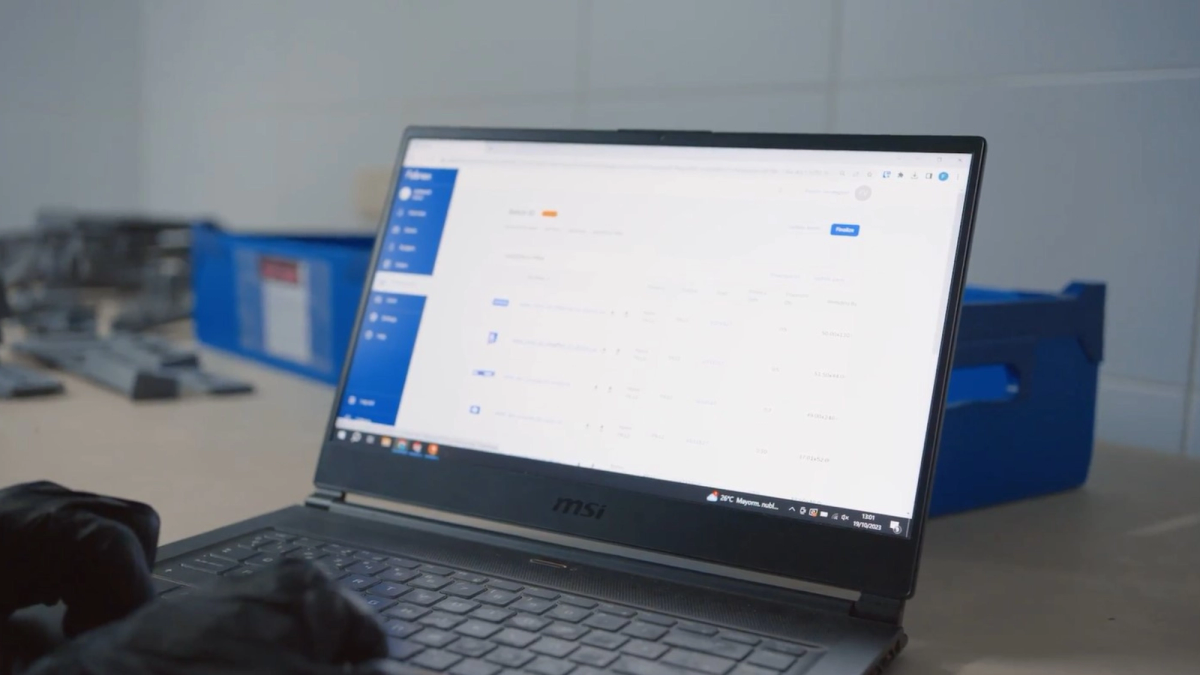
Pre-loaded Material Profiles
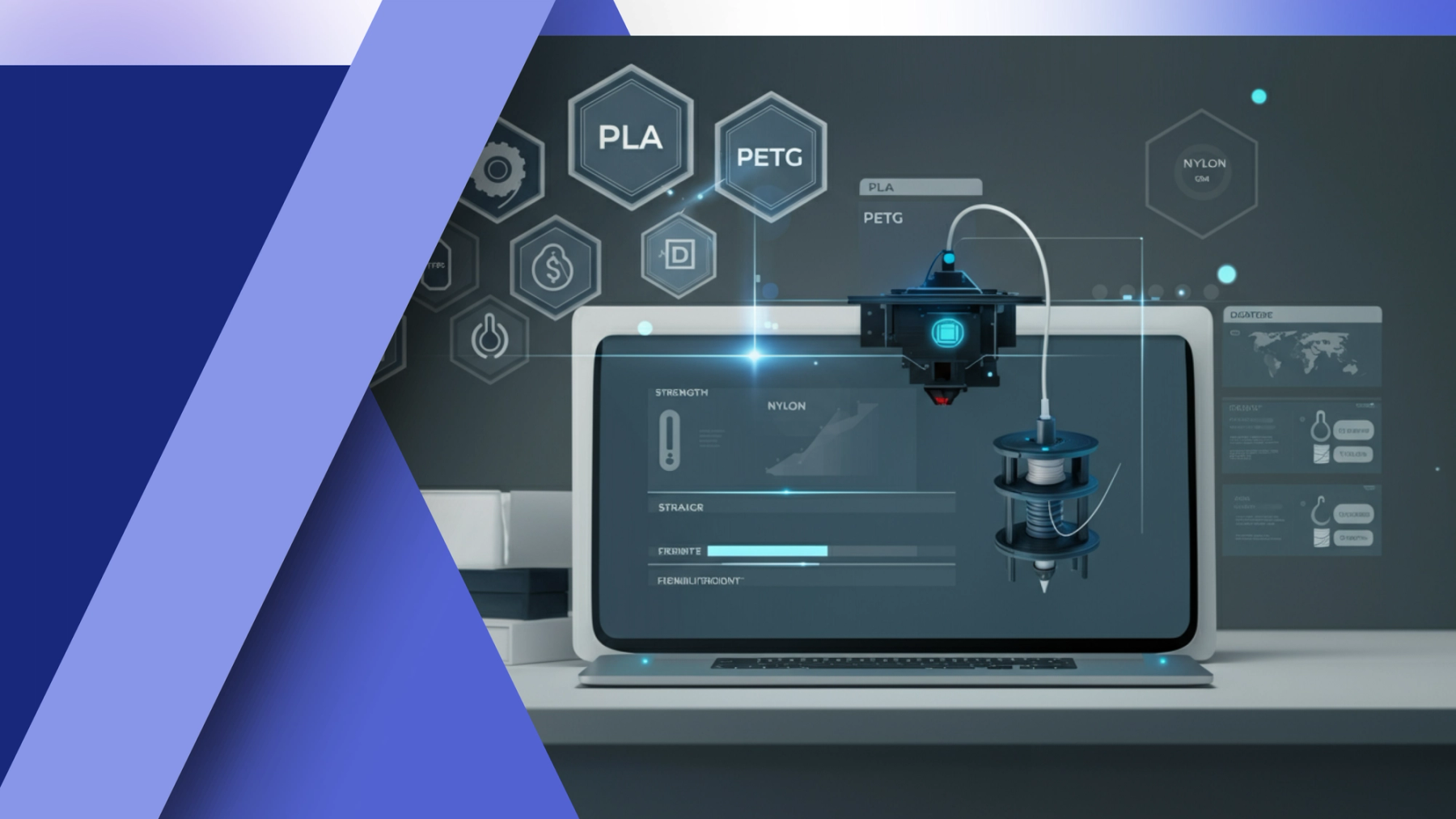
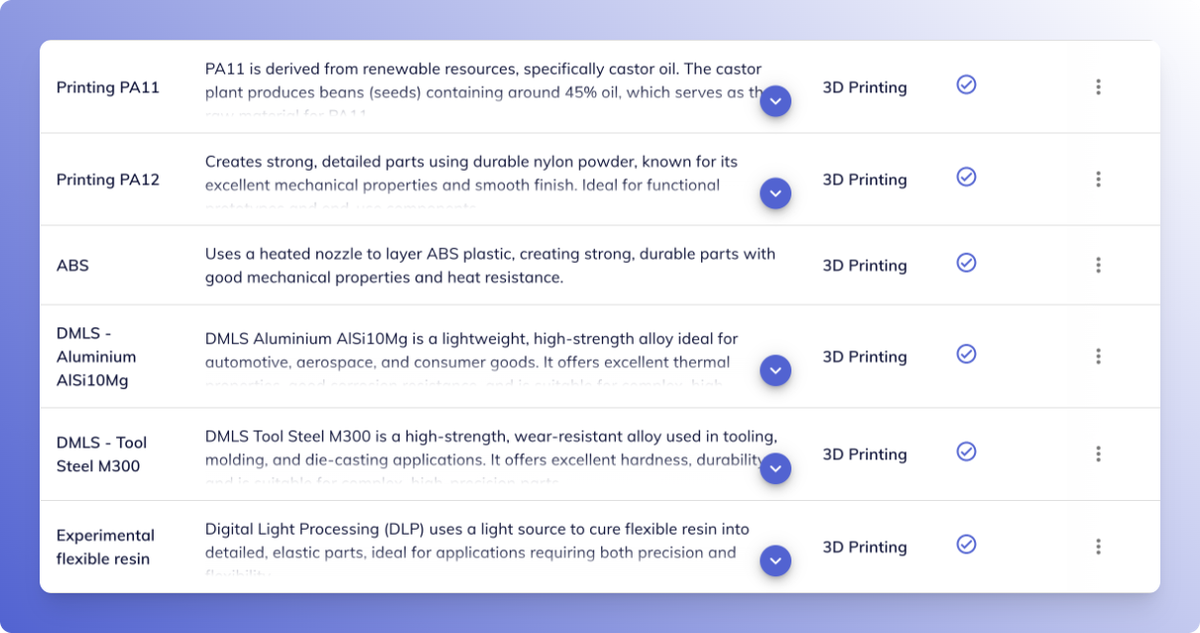
Build a library of printable materials (like PLA, PETG, ABS, Nylon) with attributes, certifications, pricing tiers, and printable specs.
Attach Comparisons to Quotes
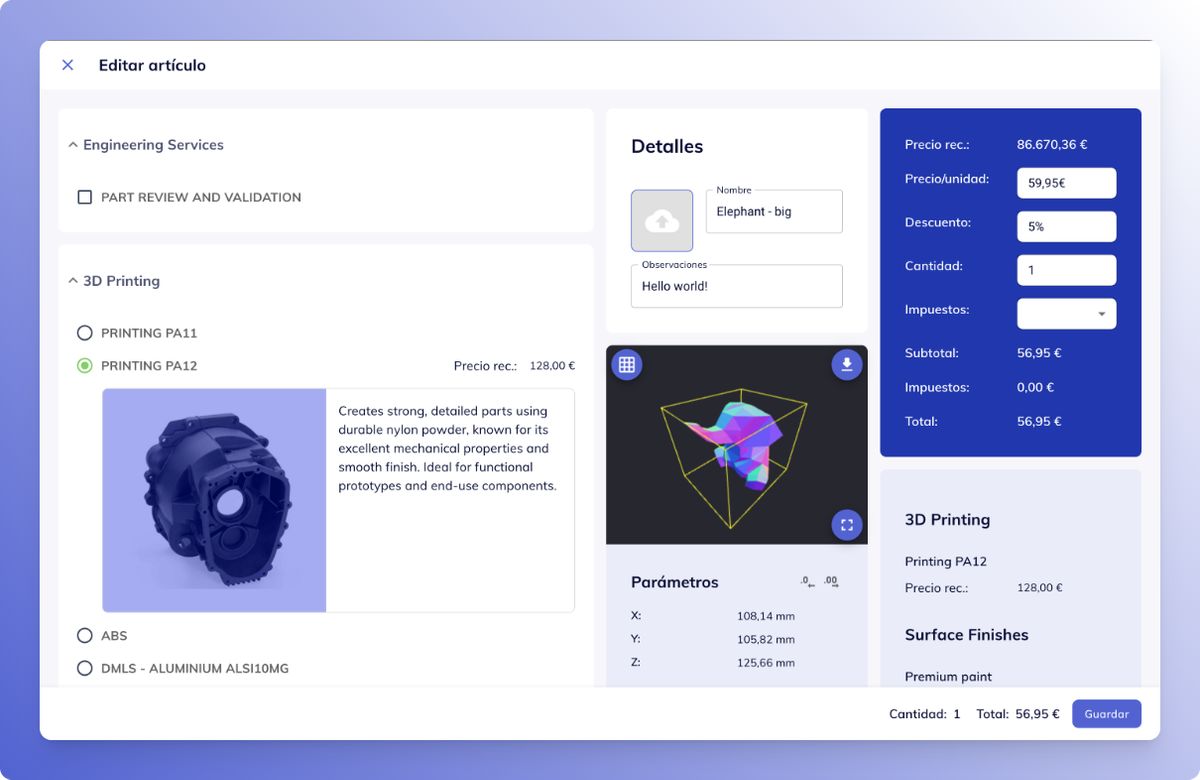
Send quotes with embedded material guidance—clients can see what you recommend and why.
CRM Notes and Templates
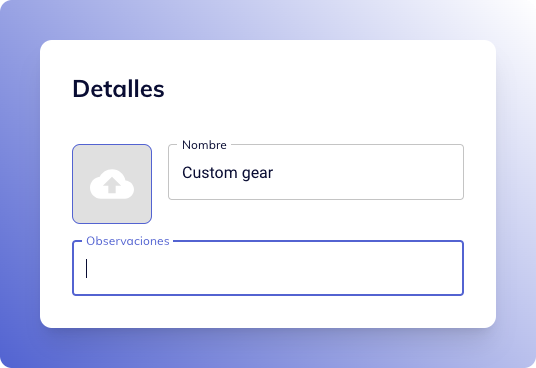
Use internal templates to guide your sales team on how to recommend materials by application type.
Core Features That Simplify the Decision
Attribute Tags for Each Material
Easily filter by properties like stiffness, temperature resistance, printability, and price.

Application Match Suggestions
Label materials by common use cases (e.g. “great for mechanical parts” or “ideal for visual prototypes”).

Visual Comparison Tools
Share charts or visuals right in the quote email or client portal.

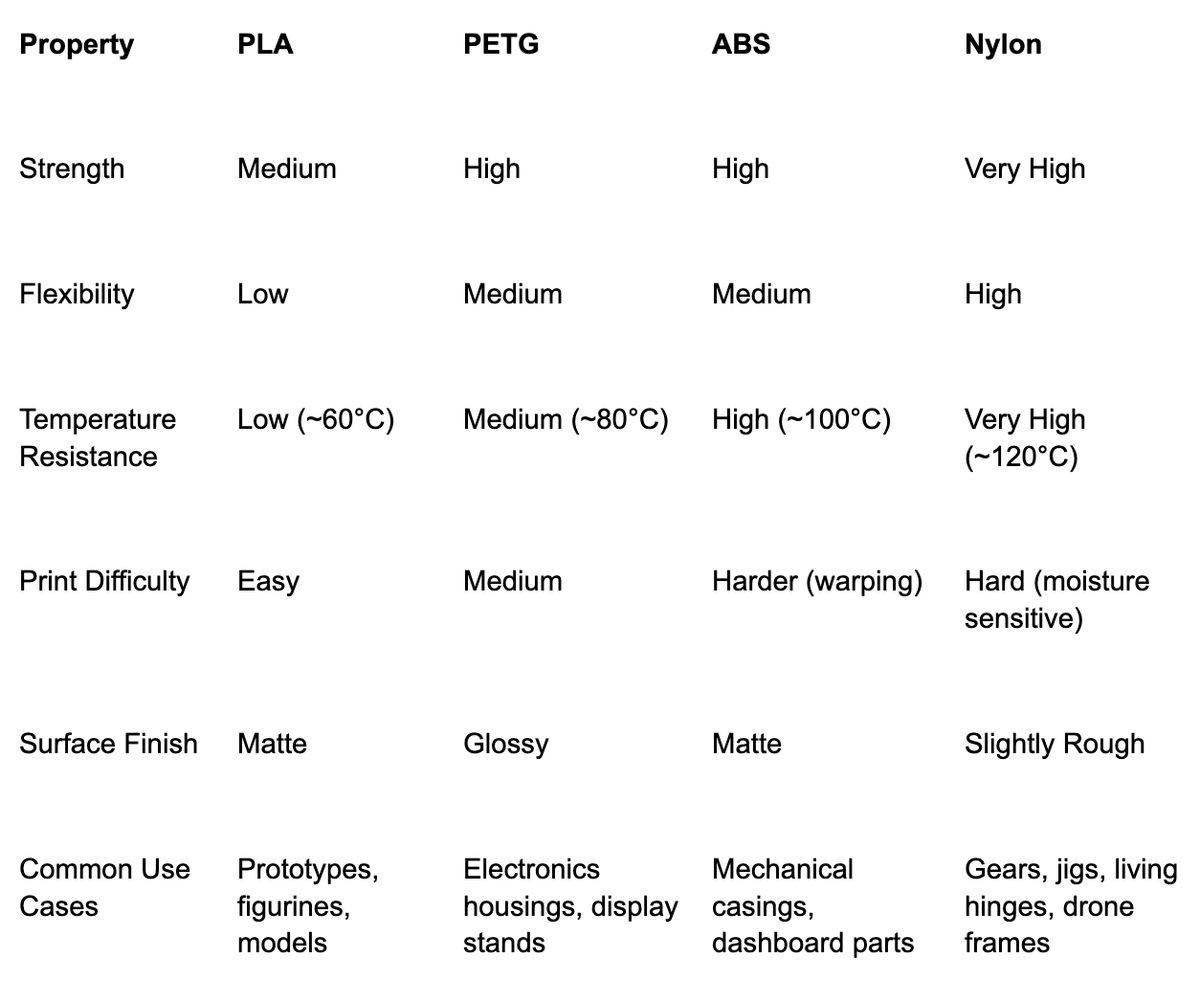
Comparison Table: Common 3D Printing Materials
Real-World Part Examples
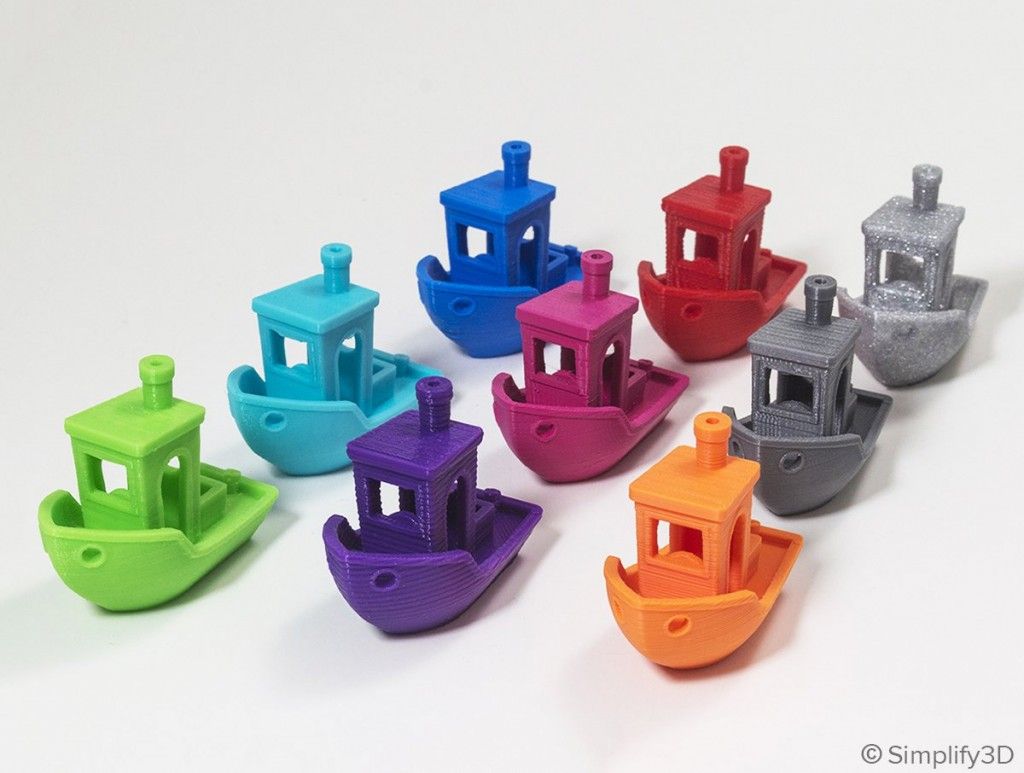
PLA
Architectural models, cosplay props, decorative prototypes, classroom tools.
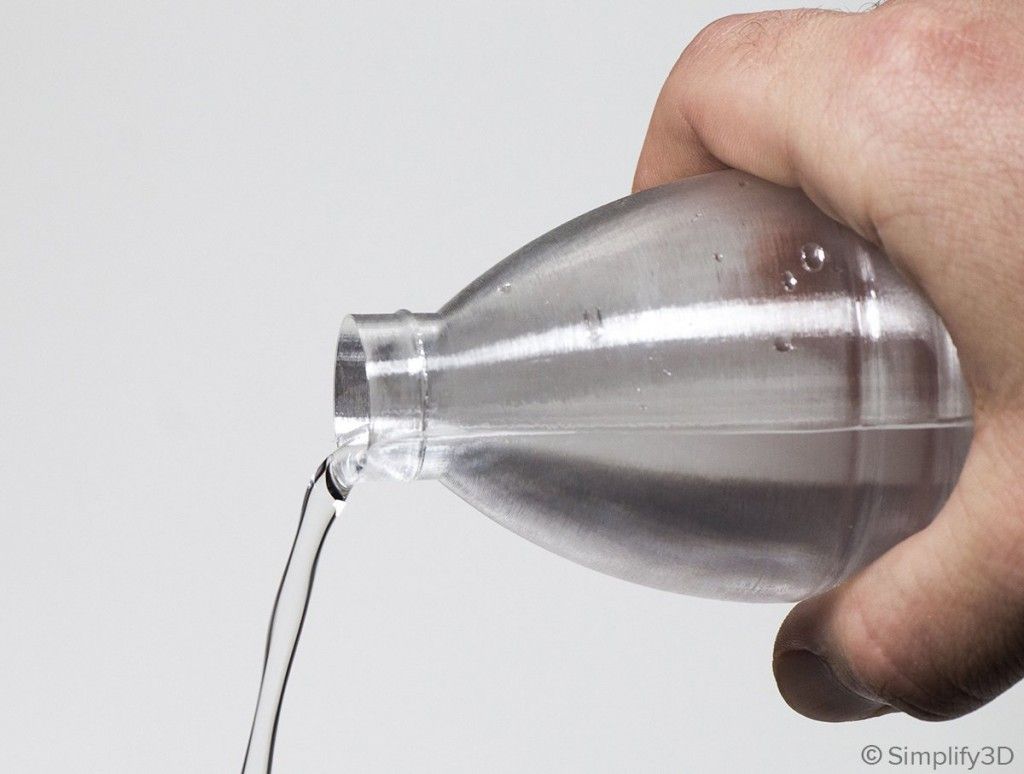
PETG
Bottle prototypes, retail enclosures, brackets, safety shields.
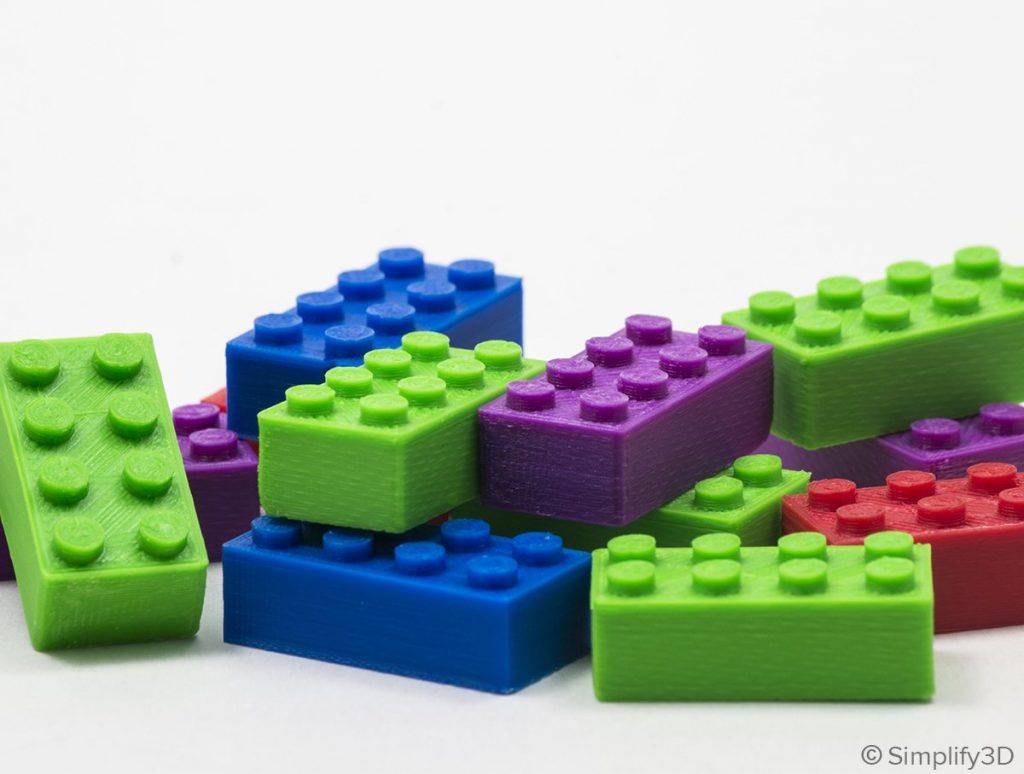
ABS
Dashboard mounts, robotics housings, drone shells, working hinges.
Nylon
Custom gears, snap-fit parts, heavy-duty tooling, industrial jigs.
Business Benefits
Accelerated Sales Cycle
Clients feel confident approving quotes quickly.

Reduced Support Time
Fewer back-and-forth emails about “what material to use.”

Increased Trust
Position your team as expert consultants, not just part suppliers.

Higher Retention
Educated clients are more likely to return and request similar materials.

Use Case: Helping a First-Time Buyer Choose
A startup reaches out to print their first prototype. They aren’t sure whether PLA or ABS is better. Your sales rep logs the inquiry in Fabrex CRM and attaches a side-by-side material comparison with their quote. The client selects PETG after reading your recommendation and places the order the same day.
Frequently Asked Questions (FAQ)
Q: Which material is best for outdoor parts?
PETG and Nylon are more UV- and weather-resistant than PLA or ABS. Nylon is best for mechanical outdoor use; PETG is ideal for containers or enclosures.
Q: Is PETG food-safe?
PETG is generally considered food-safe if printed on a clean, food-safe printer. However, verify supplier specifications for certification.
Q: What’s the easiest material for beginners?
PLA is the easiest to print with and most forgiving. It’s great for visual prototypes and non-functional parts.
Q: Can I print flexible parts with Fabrex?
Yes! While this article focuses on common rigid materials, Fabrex also supports quoting for TPU and other flexible filaments.
Published by Fabrex ·
More news & stories